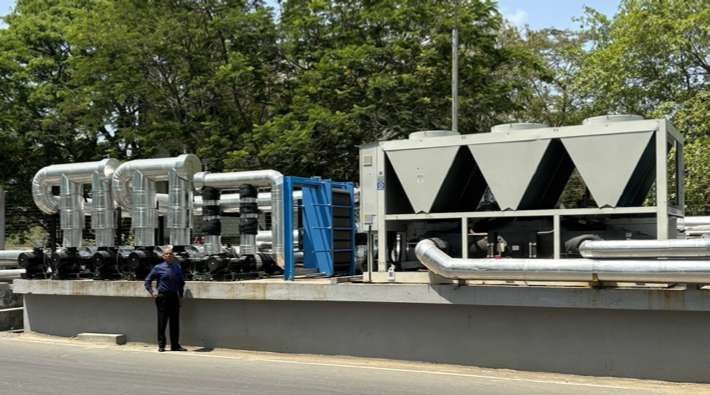

PGC 5.0 with CTES + MPC systems deliver the most efficient and power-saving air conditioning solutions for commercial, industrial, and large residential air conditioning applications where you can save air conditioning cost upto 41%
Home / Smart Air Conditioning and HVAC Solutions
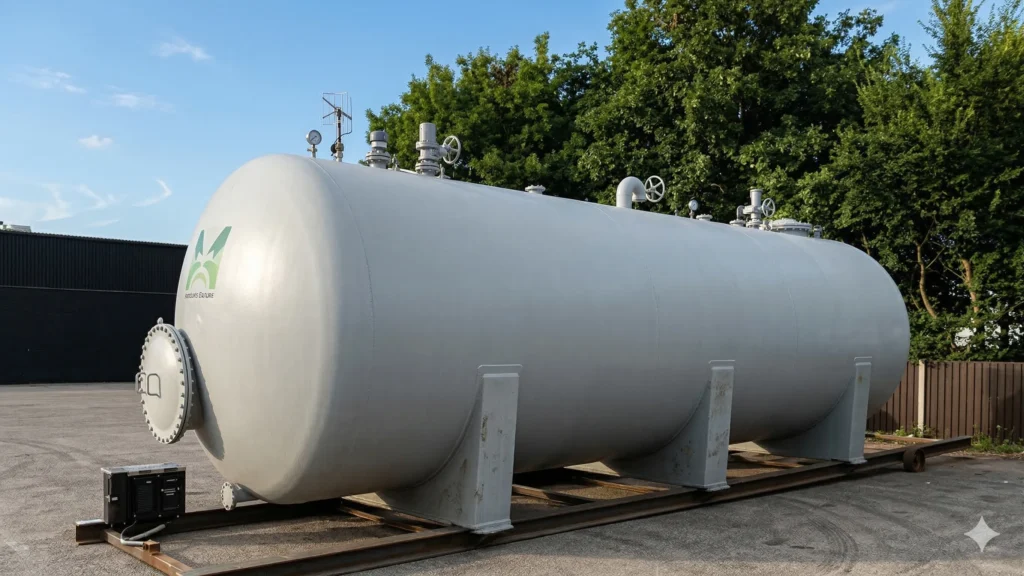
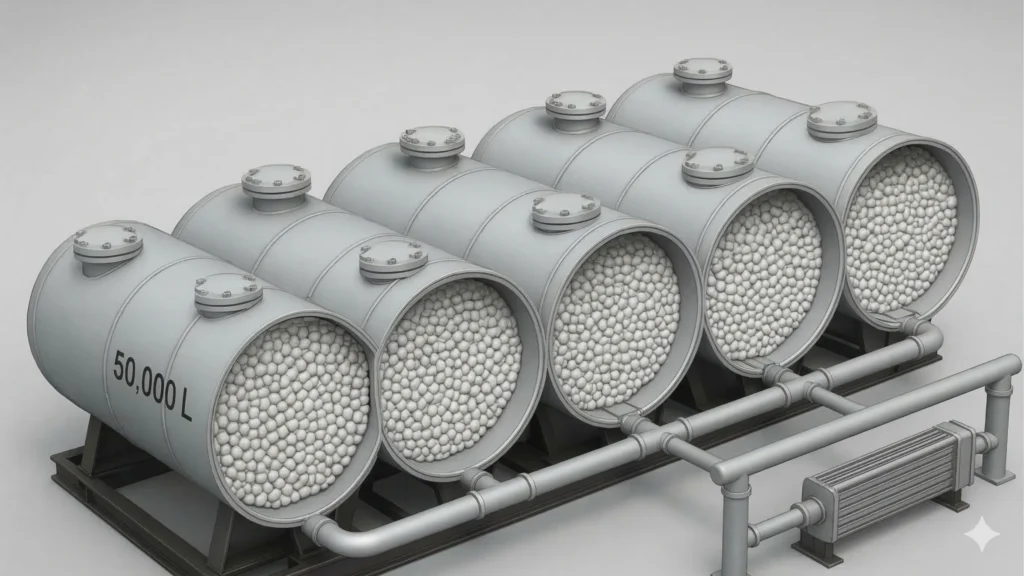
PGC 5.0 with CTES + MPC systems generate cooling during efficient hours, store the cool energy in phase changing materials which are kept in large insulated customised tanks. These large tanks can also be buried underground which saves space and effective utilization of land. By doing optimised demand management, the energy consumed for producing cool energy is reduced. The produced cool energy is stored for effective usage as per the requirement which saves good amount of air conditioning cost. The system also uses chillers to produce cooling at night and discharge it during the day, helping to do demand management while maintaining the required indoor comfort. This approach also improves overall system efficiency by allowing chillers to operate under optimal conditions and supports demand-side management of air conditioning. This methodology helps significantly to reduce peak electrical load compared to conventional systems, while still delivering consistent cooling performance.The stored cooling energy is discharged during demand to reduce air conditioning cost and optionally MPC – Model Predictive Control can be integrated to achieve higher air conditioning cost.

Cooling is produced during off-peak hours when electricity demand and tariffs are lower for efficient operation.

The cooling generated during off-peak hours is stored within the CTES system for later operational use.

The stored cooling energy is discharged during peak hours to meet demand and reduce electrical load.
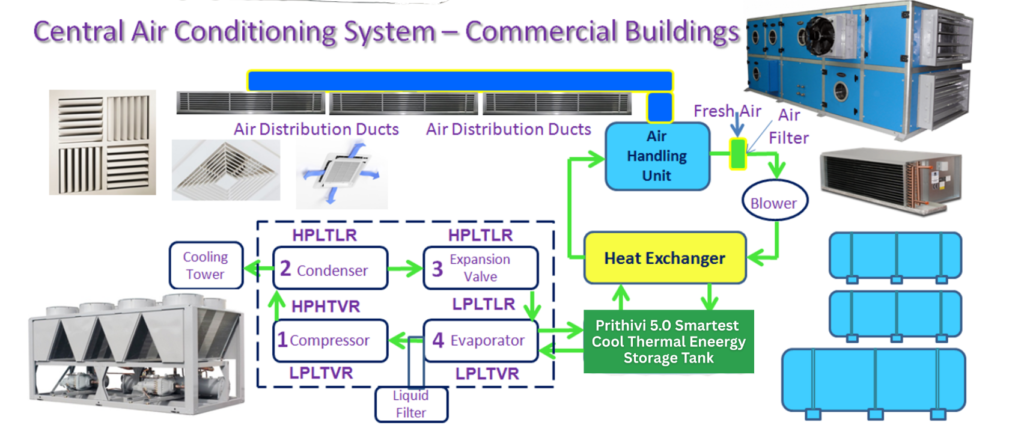
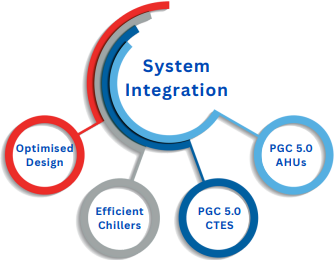
PGC 5.0 with CTES is designed as a fully integrated HVAC systemPGC 5.0 with CTES + MPC is customised as a fully integrated HVAC system meeting your requirements where all major components work together as a single, coordinated solution. The system architecture connects specially designed chillers, CTES, Heat Exchangers, AHUs, air distribution systems, and thermal exchange components to ensure efficient cooling generation, storage, and delivery across the building. where all major components work together as a single, coordinated solution. The system architecture connects chillers, CTES, AHUs, air distribution systems, and thermal exchange components to ensure efficient cooling generation, storage, and delivery across the building.
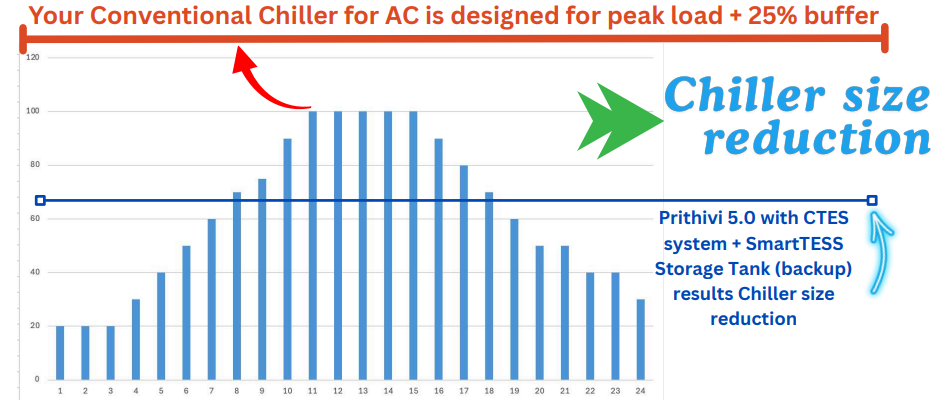
PGC 5.0 with CTES + MPC systems enable significant reductions in chiller plant sizing by meeting peak cooling demand through a combination of optimised chillers and stored energy instead of oversizing equipment. This results in more efficient system design and avoids the need for oversized chillers for maximum demand and buffer.
PGC 5.0 with CTES + MPC systems enable chillers to operate under their most efficient conditions, contributing additional energy savings compared to conventional systems. Instead of running inefficiently at partial loads, chillers operate at full-load for shorter periods while charging storage, which improves operational efficiency and reduces unnecessary cycling. Operating during nighttime hours also improves heat rejection due to lower ambient temperatures, further enhancing overall system performance.
The most significant contributor to air conditioning power savings in PGC 5.0 with CTES + MPC systems comes from Demand Management. The system produces and stores cooling during off-peak periods (typically night time) when electricity demand and tariffs are lower in few countries like India (Peak hours power tariffs are 20 – 40% higher than the normal power tariffs), and discharges the stored cooling during peak demand hours. This approach helps reduce peak electrical demand while maintaining effective cooling performance because of effective and efficient storage systems.
Field studies and analysis demonstrate that the performance benefits of PGC 5.0 with CTES + MPC systems are achievable in real applications. This indicates meaningful reductions in electricity consumption, HVAC electrical load, and carbon footprint across commercial implementations.
Efficient PGC 5.0 with CTES + MPC systems incorporate advanced control strategies that optimise performance across multiple operating parameters. Advanced systems using Phase Change Material (PCM) technology provide higher energy-carrying capacity than water, resulting in improved efficiency and space savings. Optimised system operation can also deliver measurable annual cost benefits.
The use of off-peak electricity rates provides substantial cost savings and contributes to effective power reduction. PGC 5.0 with CTES + MPC systems take advantage of lower electricity prices at night through load shifting, reducing overall operational costs and helping facilities avoid expensive peak demand charges that form a significant portion of electricity bills.